
 Send Email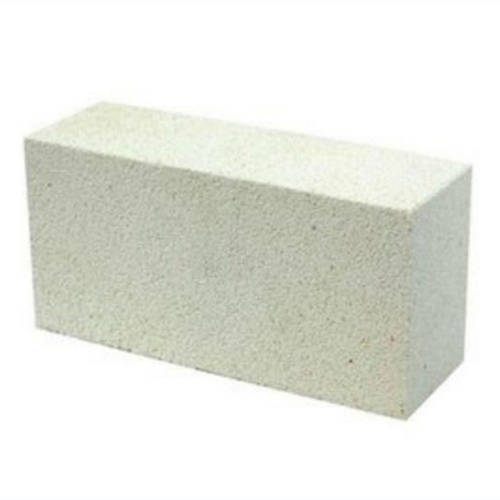

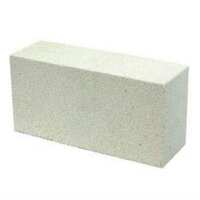

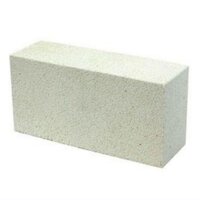
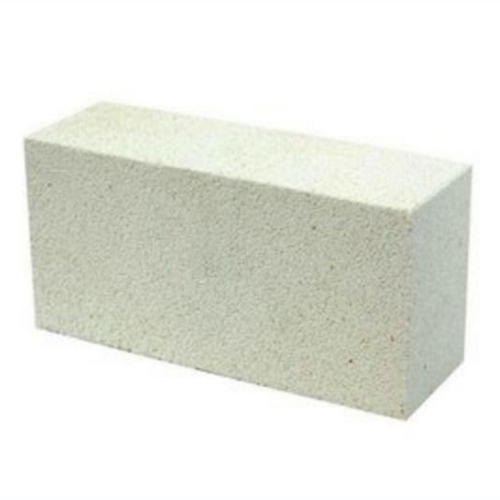
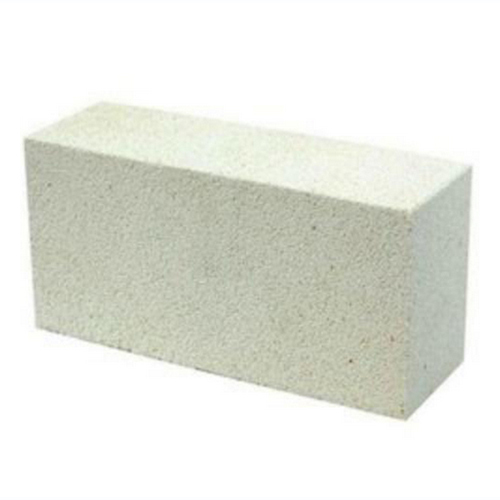
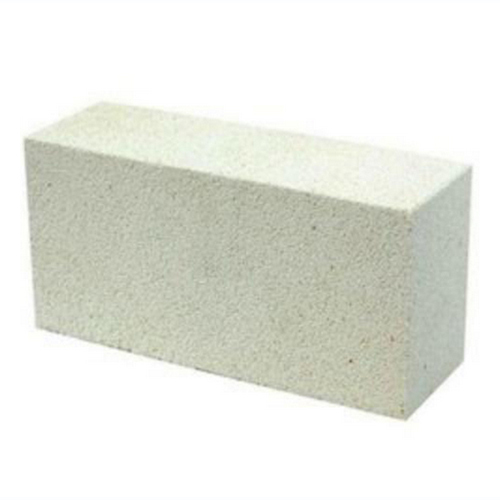
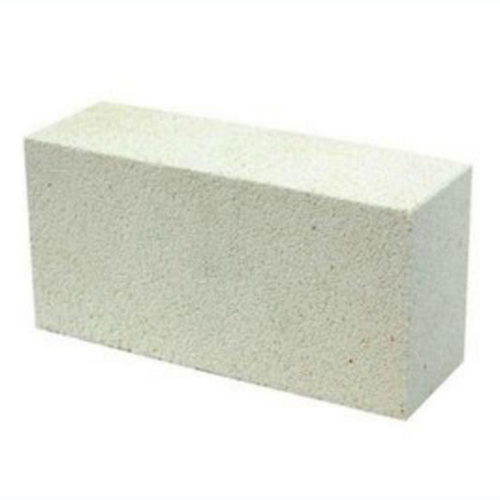
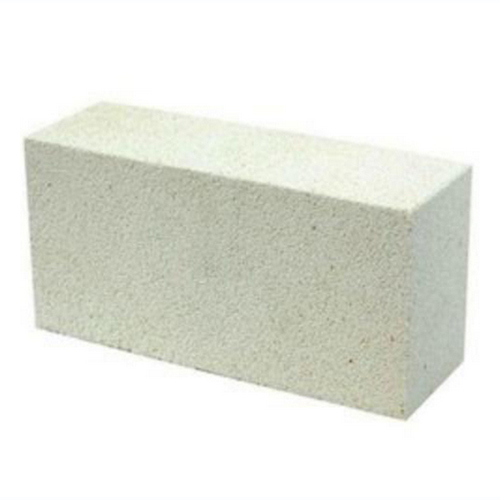


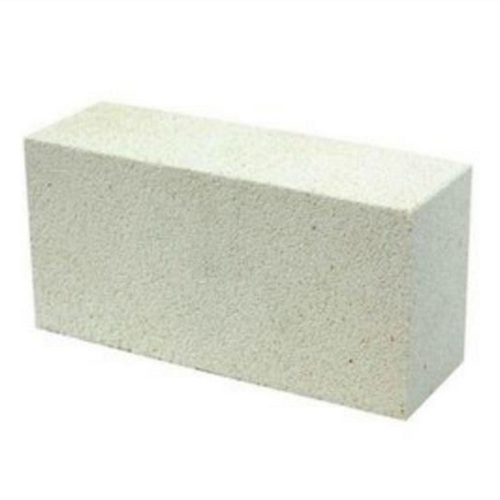
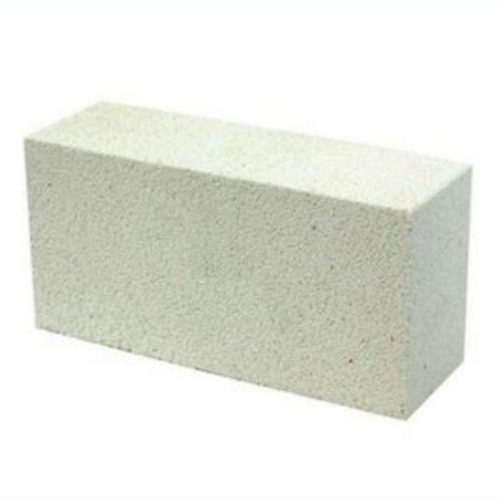
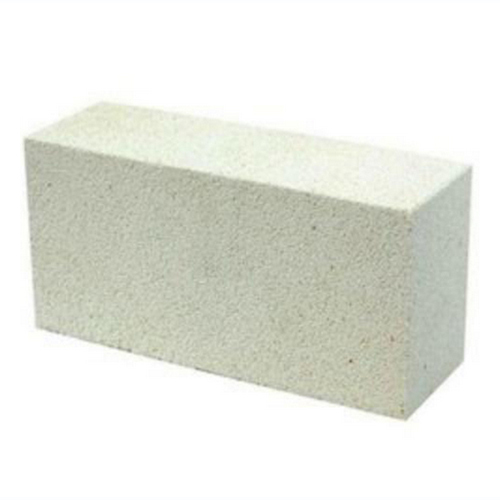
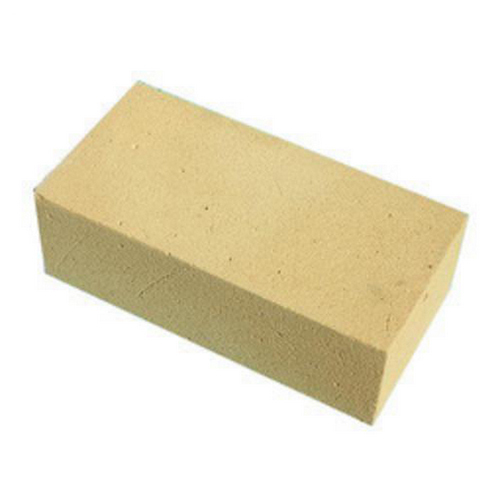
Porosint Bricks
35 INR/Piece
Product Details:
- Density 900 Gram per cubic centimeter(g/cm3)
- Frost Resistance High
- Dry Density Grade 800-1000 kg/m³
- Carbonation Coefficient Low
- Length 230 mm
- Thickness 60 mm
- Water Absorption 20-27%
- Click to view more
X
Porosint Bricks Price And Quantity
- 35 INR/Piece
- 100 Piece
Porosint Bricks Product Specifications
- Fired, high temperature process
- 2.5 to 3.2 kg per brick
- 115 mm
- Solid
- 8.5 N/mm²
- <0.05%
- Porosint Bricks
- Low
- 800-1000 kg/m³
- High
- 900 Gram per cubic centimeter(g/cm3)
- 0.36 W/mK
- Light yellow
- 20-27%
- 230 mm
- 60 mm
- 45-50% (apparent)
- 230 x 115 x 60 mm
- <5%
- >0.88
- Ideal for boiler furnaces, power plants, and high temperature insulation purposes
- Other
- High compressive strength
- Rectangular solid
- Smooth/matt
- Good - Reduces noise transmission
- IS:1528 (Part 1) - 2010
- 1.6-1.8 gm/cm3
- Excellent - Suitable for high-temperature applications
Porosint Bricks Trade Information
- Cash Advance (CA), Cash in Advance (CID), Cheque
- Free samples available with shipping and taxes paid by the buyer
- All India
Product Description
- Service Temperature :- Service Temperature in oC 1050-1500
- Bulk Density :- in gms/cc (Max) 0.5 -1.2
- Apparent Porosity in % (min) :- 60 %
- Cold Crushing Strength in kg/Cm2/(min) :- 0.15-30
- Thermal Conductivity in Kcal/M/ Hr/oC(max) :- 0.12 - 0.18
- Permanent Linear change after re-heating (at services temp. for 5 hrs :- 0.5 -1.0
Exceptional Fire and Acid Resistance
Porosint Bricks are specifically crafted for high-performance in challenging thermal and chemical environments. With excellent fire resistance and high acid resistance, these bricks reliably protect against extreme temperatures and corrosive fumes, making them suitable for boiler furnaces and industrial insulation.
Superior Mechanical and Acoustic Properties
Engineered with high compressive strength and good sound insulation, Porosint Bricks effectively reduce noise transmission while withstanding significant mechanical loads. The precise density and smooth surface finish ensure both structural integrity and aesthetic appeal in various high-demand applications.
Certified Quality and Reliable Performance
Each brick meets the rigorous IS:1528 (Part 1) - 2010 manufacturing standard, guaranteeing consistency and durability. Their high frost resistance and low moisture content support reliable year-round performance, even in fluctuating climates. Every detaildown to drying shrinkage and surface finishis optimized for industrial excellence.
FAQs of Porosint Bricks:
Q: How are Porosint Bricks manufactured to withstand extreme temperatures?
A: Porosint Bricks are crafted through a fired, high-temperature process using high-quality refractory materials. This production method ensures excellent fire resistance, enabling them to endure the intense heat encountered in boiler furnaces and power plants.Q: What makes Porosint Bricks suitable for acidic and corrosive environments?
A: Due to their high acid resistance, Porosint Bricks effectively resist deterioration from acidic gases and fumes. This characteristic is crucial for installations in facilities where exposure to corrosive substances is common.Q: When should Porosint Bricks be used instead of conventional bricks?
A: Porosint Bricks are ideal wherever high temperature resistance and chemical durability are required, such as in power plants, boiler furnaces, and environments needing high-performance insulation. Conventional bricks may deteriorate quickly under such conditions.Q: Where are these bricks commonly installed?
A: These bricks are widely used in India, primarily in boiler linings, industrial furnaces, power generation plants, and other structures demanding high thermal and chemical resilience.Q: What is the process of installing Porosint Bricks in industrial settings?
A: Installation involves careful arrangement of the rectangular solid bricks (230 x 115 x 60 mm, solid cavity) into the structure, ensuring tight joins for optimal insulation. Skilled professionals follow standard masonry practices to guarantee stability and uniform thermal performance.Q: What benefits do Porosint Bricks offer for high-temperature insulation?
A: Porosint Bricks combine low thermal conductivity (0.36 W/mK) with high porosity, significantly reducing heat transmission and improving energy efficiency. Their strong compressive strength and frost resistance further contribute to enhanced durability and safety in demanding environments.Q: How do Porosint Bricks help with sound insulation and aesthetics?
A: Their material composition and structural density deliver good sound insulation, reducing noise transmission in industrial settings. The smooth or matt surface finish also contributes to a clean, professional appearance wherever they are installed.Tell us about your requirement

Price:
Quantity
Select Unit
- 50
- 100
- 200
- 250
- 500
- 1000+
Additional detail
Mobile number
Email

Other Products in 'Insulation Bricks' category

Contact Us
Address
- B No. A-136, Vijay Singh Pathik Nagar,Bhilwara - 311001, Rajasthan, India
- Phone : 08045804337
- Mr. Amit Kumar Agarwal (Director)
- Mobile : 08045804337
- Send Inquiry
SARGAM REFRA PRIVATE LIMITED
GST : 08ABKCS5835M1ZM
 Send Inquiry

SARGAM REFRA PRIVATE LIMITED
All Rights Reserved.(Terms of Use)
Developed and Managed by Infocom Network Private Limited.
Developed and Managed by Infocom Network Private Limited.
